Source Feed Mixer Wagon for Dairy, Beef, and Poultry
Source 30 feed mixer wagon models from Chinese manufacturers. Compare specifications like 1.6-9cbm capacity, diesel power, and weighing systems to find the right mixing equipment for your farm.
Key considerations
Products List

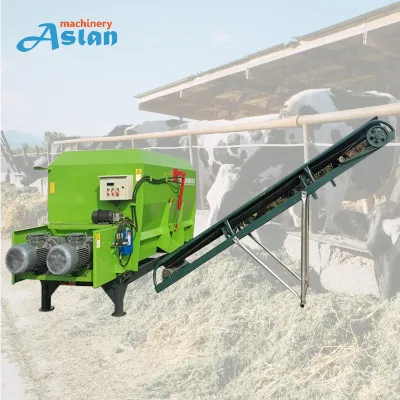


Custom Capacity Trailed Tmr Feed Mixer Wagon for Different Size Dairy Farms
$13000.00 - $14000.00
Moq: 1








Comprehensive Sourcing Guide
Feed Mixer Wagon Sourcing Guide
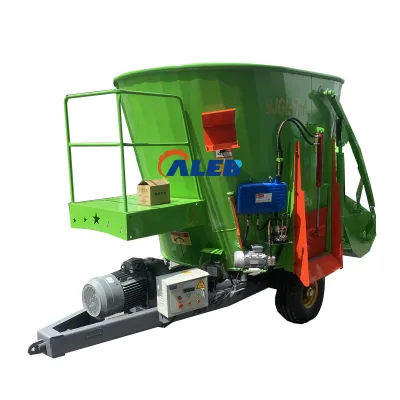
Selecting the right feed mixer wagon requires a careful balance of mechanical capability, operational efficiency, and regulatory compliance. These machines are essential for modern livestock operations, particularly for dairy and beef cattle, where precise Total Mixed Ration (TMR) formulation directly impacts animal health and productivity. Buyers must navigate a market with significant variation in design, from small-scale units to large-capacity industrial wagons, ensuring that the selected equipment matches their specific herd size and feeding logistics.
The procurement process involves verifying technical specifications against actual farm requirements, such as mixing volume, power source, and throughput capacity. It is critical to distinguish between observed listing data and guaranteed performance metrics. Buyers should focus on verifying the integrity of the mixing chamber, the durability of the auger system, and the reliability of the weighing mechanism, as these components determine the long-term viability and return on investment of the machinery.
Product Scope and Observed Listing Signals
The current market for feed mixer wagons presents a wide range of options, with observed listing prices spanning from approximately $458 to $56,000 USD. This broad spectrum reflects differences in capacity, automation level, and build quality. Listings indicate a minimum order quantity (MOQ) of one unit, suggesting that buyers can procure single units for immediate operational needs without committing to large bulk orders. This flexibility allows farms to scale their equipment fleets gradually as their operations expand.
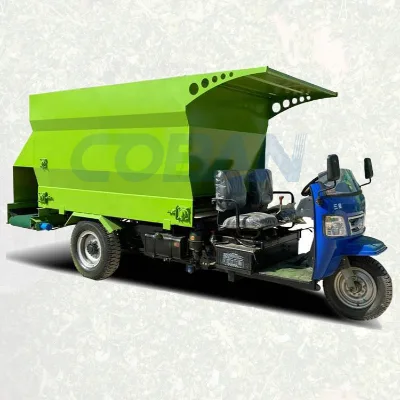
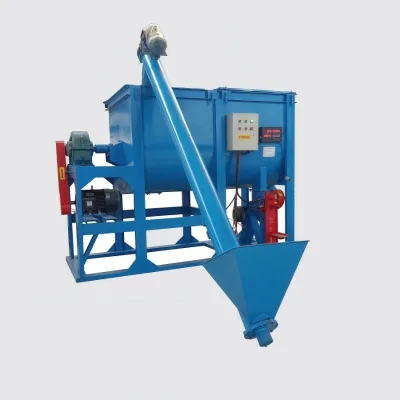
Observed product attributes reveal a mix of configurations, including diesel-powered units and those requiring external tractor power. Some listings highlight specific models like the Tmr15yz and ASL-9JGW-5, with capacities ranging from 1.6 cubic meters to 9 cubic meters. The presence of "Customization: Available" suggests that suppliers may offer tailored solutions for specific farm layouts or feeding protocols. Buyers should interpret these signals as starting points for negotiation rather than fixed specifications, ensuring that the final contract details match their exact operational requirements.
Technical Specifications to Verify
When evaluating technical specifications, the mixing volume and production efficiency are primary considerations. Listings show capacities such as 1.6 CBM and 9 CBM, with production efficiencies ranging from 2,400 kg/h to 3,000 kg/h. Buyers must verify that the stated volume aligns with their daily feed requirements and that the mixing time does not compromise nutrient distribution. The rotation speed of the auger, observed in some listings as 30~45 RPM, plays a crucial role in achieving a homogeneous mix without over-processing the feed, which can affect fiber structure and animal digestion.
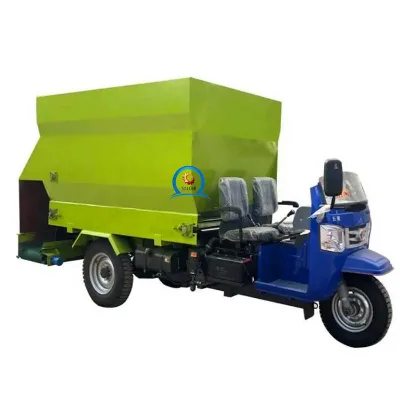
Power source and transmission details are equally critical for operational compatibility. Some units are diesel-powered with engine powers around 14-15 kW, while others are designed to be matched with tractors of 60-80 HP. Buyers should confirm the axle type, tire size, and turning radius to ensure the wagon can navigate their farm’s terrain and storage facilities. Additionally, the number of blades and their thickness, such as tungsten carbide-coated blades with a thickness of ≥16mm, indicate the machine’s durability and ability to handle abrasive or fibrous feed materials without frequent maintenance.
Compliance and Safety Documentation
Compliance with international standards is a key factor in selecting reliable feed mixer wagons. Listings often cite certifications such as CE, ISO9001, and GMP, which indicate adherence to quality management and safety protocols. Buyers should request valid certification documents to verify that the manufacturer has undergone rigorous auditing processes. These certifications not only ensure product quality but also facilitate smoother customs clearance and regulatory approval in various markets, reducing the risk of import delays or rejections.
Safety features and operational documentation must be thoroughly reviewed before purchase. The weighing system, whether standard or advanced, should be calibrated and documented to ensure accurate feed formulation. Buyers should verify that the machine includes necessary safety guards, emergency stop mechanisms, and clear operational manuals. For units with imported components, such as the 3-point rod weighing system or imported axles, buyers should confirm the availability of spare parts and technical support to maintain long-term operational safety and efficiency.
Cost Drivers and Commercial Terms
Several factors influence the total cost of ownership for feed mixer wagons, including material quality, automation level, and power source. Diesel-powered units may have higher upfront costs but offer greater mobility and independence from external power sources. In contrast, tractor-mounted units may be more cost-effective for farms that already own compatible tractors. Buyers should analyze the net weight and overall dimensions, such as 280132195 cm, to determine transportation and storage costs, which can significantly impact the final investment.
Commercial terms, including warranty and packing, are essential for risk mitigation. Listings indicate a standard warranty period of one year, which buyers should negotiate to cover critical components like the auger and gearbox. Packing methods, ranging from nude packing to export packages, affect the machine’s protection during transit. Buyers should ensure that the contract clearly defines responsibilities for shipping, insurance, and installation, as well as the process for handling defects or performance issues during the warranty period.
Supplier Qualification and Quality Control
Supplier qualification is a critical step in ensuring the reliability of feed mixer wagons. Buyers should verify the supplier’s manufacturing capabilities, including their production facilities in regions like Shandong and Henan, China. Assessing the supplier’s experience in producing mixing equipment and their ability to provide customization services can indicate their technical competence. Requesting references from existing customers and visiting the factory, if possible, can provide valuable insights into the supplier’s quality control processes and production standards.
Quality control measures should be integrated into the procurement process to prevent defects. Buyers should specify inspection points for critical components, such as the blade thickness, axle integrity, and welding quality. Implementing a pre-shipment inspection protocol can help identify issues before the machine leaves the factory. Additionally, buyers should establish clear communication channels with the supplier for technical support and troubleshooting, ensuring that any operational challenges can be addressed promptly and effectively.
Long-Term Procurement Checks
Long-term procurement success depends on the availability of spare parts and after-sales service. Buyers should verify the supplier’s inventory of critical spare parts, such as blades, gears, and sensors, to minimize downtime during maintenance. Establishing a service agreement with the supplier or a local partner can ensure timely repairs and technical assistance. Buyers should also consider the machine’s ease of maintenance, including access points for lubrication and component replacement, to reduce long-term operational costs.
Continuous evaluation of the machine’s performance is essential for optimizing feed mixing efficiency. Buyers should monitor key metrics such as mixing uniformity, fuel consumption, and maintenance frequency to identify potential issues early. Regular training for farm staff on proper operation and maintenance procedures can extend the machine’s lifespan and improve overall productivity. By maintaining a proactive approach to procurement and maintenance, buyers can ensure that their feed mixer wagons continue to deliver value and support their livestock operations effectively.
FAQs
What is the mixing volume of the Tmr15yz feed mixer wagon?
The Tmr15yz model features a mixing volume of 1.6 cubic meters. This capacity is suitable for small to medium-sized livestock operations. The unit is designed for efficient mixing of mixed feed using a mixing-before-crushing process. It operates with a rotation speed of 30 to 45 rpm for the auger. The overall dimensions are 280 by 132 by 195 cm.
Can the feed mixer wagon be customized for specific needs?
Yes, customization is available for this feed mixer wagon. Buyers can request modifications to suit specific operational requirements. The equipment is supplied in nude packing or export package options. It is manufactured by Aslan Machinery with a one-year warranty. The condition is new, and the brand name is clearly stated on the product.
What is the power source and engine power for this mixer?
The feed mixer wagon uses a diesel engine as its power source. The engine power is rated at 14 kilowatts for the Tmr15yz model. Another variant listed has a power rating of 15 kilowatts. The machine is non-computerized and relies on mechanical systems. It is designed for cow applications and features a standard weighing system.
Which certifications are provided for the feed mixer wagon?
The feed mixer wagon comes with CE, ISO9001, and GMP certifications. These standards ensure compliance with international quality and safety regulations. The product originates from China, specifically Shandong and Henan provinces. The certifications support its use in regulated agricultural environments. Buyers can verify these credentials during the sourcing process.
What is the net weight and transportation speed of the wagon?
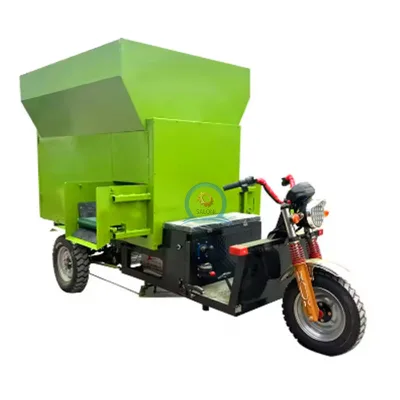
The net weight of the Tmr15yz model is 1050 kilograms. Another listed weight attribute is 800 kilograms for a different configuration. The transportation speed is 6.1 km/h, allowing for safe movement on farms. The minimum turning radius is 220 cm, enhancing maneuverability. The unit has three wheels and a single gross weight of 800 kg.
How many blades does the feed mixer wagon have?
The feed mixer wagon is equipped with three large blades. These blades are coated with tungsten carbide for durability. The blade thickness is at least 16 mm. This design supports high productivity in mixing operations. The production efficiency ranges from 2400 to 3000 kg per hour. The machine is propelled and suitable for multi-functional feeding tasks.